Cittaslow TRNC
The Cittaslow process in the Turkish Republic of Northern Cyprus began in 2013 with the Yeniboğaziçi Municipality joining the international Cittaslow network, thus making Yeniboğaziçi the country's first "Slow City." With this membership, the phrase "Turkish Republic of Northern Cyprus" appeared for the first time in Cittaslow's "Certified Cities" list; the TRNC became visible within an international civil network. Following this process, in 2015, Lefke, and in 2016, Mehmetçik-Büyükkonuk Municipalities joined the International Cittaslow Network. Having met the criteria of at least three municipalities for the National Network, the "Cittaslow Northern Cyprus National Network" was officially established at a meeting held in Mehmetçik on December 9-11, 2016.
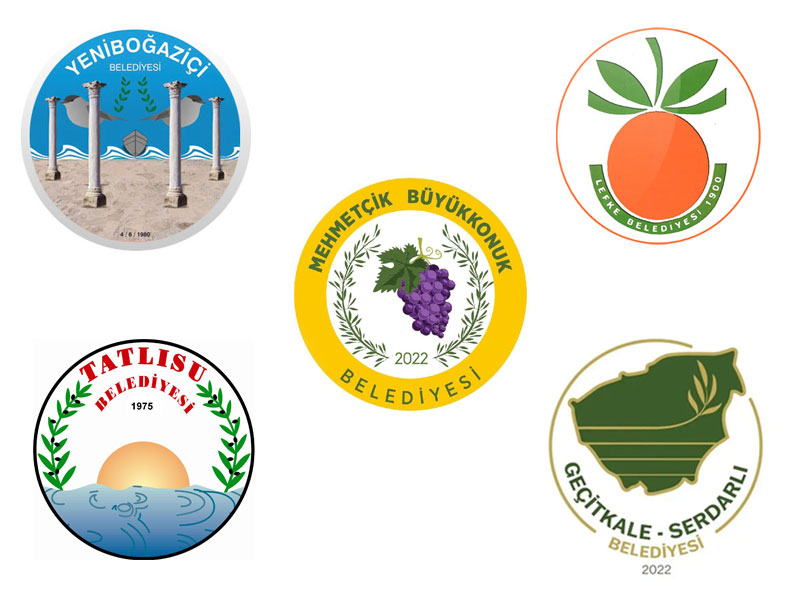
With Geçitkale-Serdarlı Municipality receiving the Cittaslow title in 2018 and Tatlısu Municipality in 2019, the Cittaslow movement has spread throughout the country, and a strong local government cooperation network has been formed in the TRNC. The Cittaslow TRNC Network has become one of the national networks represented by 33 countries within the International Cittaslow Association. This step has strengthened the international representation of the TRNC, and the country's cultural identity and local way of life have been recognized as a visible value on the international platform. With the formation of the Cittaslow TRNC Network, different regions of the country have united around a common vision that focuses on preserving local identity, improving quality of life, and sustainable development. This network creates a strong foundation for cooperation among member municipalities in areas such as solidarity, sharing experiences, joint projects, and supporting local producers. While local culture, nature, agriculture, and traditional life practices are brought to the forefront again, these values are both preserved and passed on to future generations. The Cittaslow movement also supports the development of a "slow, quality, and sustainable" tourism concept by introducing a new approach to tourism. In the TRNC, as an alternative to sea and sun-centered tourism, it has adopted a year-round tourism approach as its vision by creating new attractions based on culture, history, ecology, gastronomy, and rural experiences. These developments demonstrate that the Cittaslow TRNC Network offers not only a regional model but also a holistic vision of life that shapes the future of the country. This network, which gives a new direction to tourism by preserving local identity, natural resources, and a culture of tranquil living, continues its work with determination as a strong structure that enhances the well-being of society, supports sustainable development, and contributes to the TRNC's respected position in the international arena.
What is Cittaslow?
 History and Emergence of the Movement
The Slow City movement initially began in Greve in Chianti, Italy, and later spread to towns and cities not only in Italy but also worldwide. The first official Slow City that embraced these principles was the city of Orvieto in Italy in 1999, focusing on food, natural resources, the local economy, and the preservation of cultural heritage. Since then, numerous towns and cities across the globe have joined the Slow City movement.
Significance of the Slow City Movement
The Slow City movement challenges the fast pace of modern life and consumer culture. It emphasizes the following:
Local Economy: Promotion of local production and products, support for small businesses, and revitalization of the local economy.
Sustainability: Environmentally friendly practices, waste reduction, and the preservation of natural resources.
Cultural Heritage: Preservation of traditional crafts, local traditions, and cultural heritage.
Food Culture: Encouragement of local cuisine and traditional farming, advocating for healthy eating and slow food habits.
Community and Quality of Life: A slower lifestyle, increased human interaction, and a sense of community.
What is a Slow City?
The Cittaslow (slow city) Manifesto consists of seventy recommendations and obligations. Its main ideas are:
Enhancing the conservation of urban heritage by avoiding the construction of new buildings.
Reducing energy consumption.
Promoting environment-friendly technology.
Increasing the number of green areas and recreational space.
Keeping the city clean.
Prioritizing public transportation and other non-polluting forms of transportation.
Reducing garbage and developing recycling programs.
Increasing the number of pedestrian spaces.
Developing local businesses.
Developing collective infrastructure and facilities adapted for people of all ages and with physical disabilities.
Developing a genuine participatory democracy.
Preserving and developing local traditions and regional products.
Restricting GMOs (Genetically Modified Organisms).
The Cittaslow Philosophy
Quality of Life stands for: having full access to the facilities, services and amenities which make living in a town easier and more enjoyable.
Slow Life means slowing down; ‘festina lente’, as one used to say in Latin. This means constantly striving for a more conscious way of life in the modern age. In other words, making full use of the best from the past with all the possibilities of the present and future.
All of these will result in technological opportunities and modern solutions in areas such as communication, transport, income generation, production and sales.
A simple way of life
Life in a Cittaslow and its governance is in actual fact a way of maintaining the traditional way of life instead of just following present trends, by which we mean less hectic, less consumerist and with less speed. There is no doubt that this is a more humane, environmentally friendly and sustainable way of life for both present and future generations. The project respects small realities in an ever-more globalising world.